float without fear and swim without stress
Let go and enjoy the support of water instead of struggling against it, on our intensive (but sensitive) one to one course in beautiful West Wales.
If you tick any of these, Swimming Without Stress is for you…
- I’m afraid of water.
- I can’t put my face in the water.
- I can’t get my feet off/ back on the ground.
- I feel like I’m going to sink.
- I’m exhausted after a length.
- My neck aches after swimming.
- I can swim but don’t enjoy it.
- I’d like swimming to be more relaxed.
- I had a bad experience as a child.
- I swam as a child but can’t remember how.
- Being in water makes me anxious.
Through hands on guidance using the Alexander Technique Ian and Cheryl will teach you to be happy underwater, to trust the water to support you and to get your feet back on the ground without panicking. Floating freely and gliding with a relaxed neck are cornerstones of swimming without stress. Freedom of movement follows.
from the blog
“What a great post, full of understanding. My previous attempts at learning to swim have been with instructors at the side of the pool, yelling instructions above the acoustic echo and carrying a pole for strugglers to attempt to cling to. No attempt to deal with non-swimmers’ anxiety and even phobias. So thank you."
Max, Hersham
“These blogs are wonderful meditations on the small essentials of starting a relationship with the water. Each one has stayed with me as I work with clients and informs (I believe improves) my teaching. Thank you."
Beth, Brecon
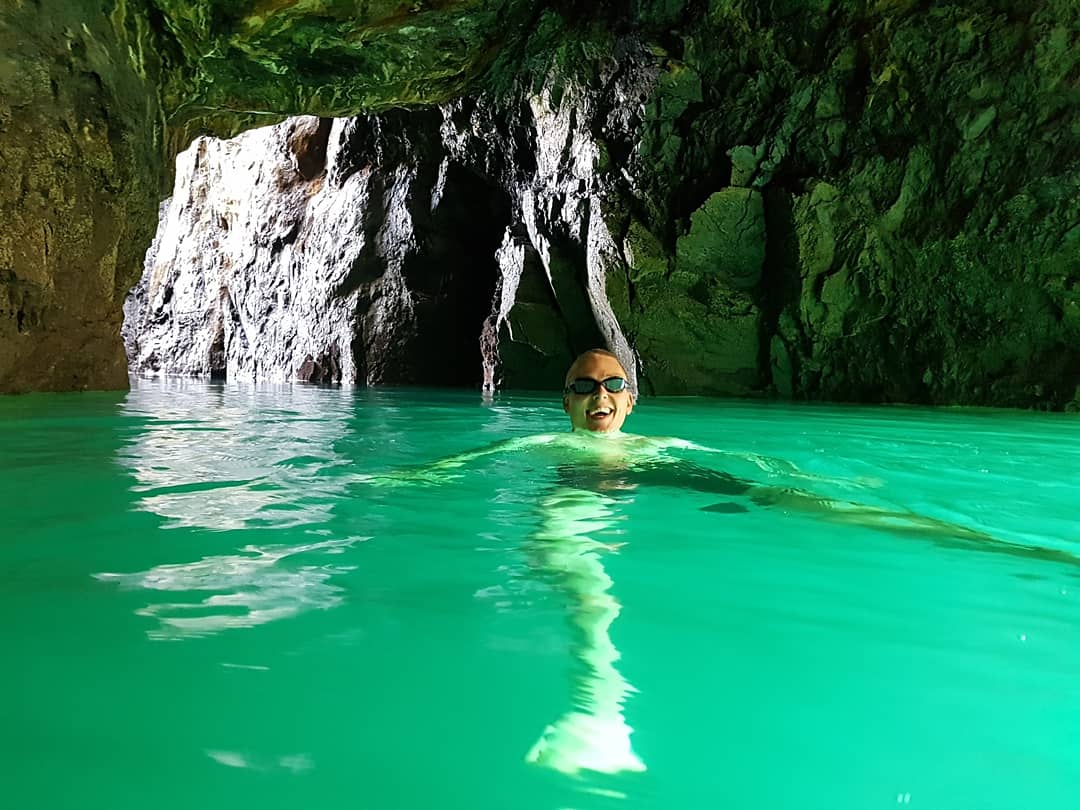
The Other Side
Our son Stan qualified as a swimming teacher last year. He's in Penzance, doing private lessons for adults and kids,…

From Rosemary, Still Enjoying Front Crawl In Her 80th Year
I’ve just read your latest blog and thought that I’d get in touch. You gave me front crawl lessons in…
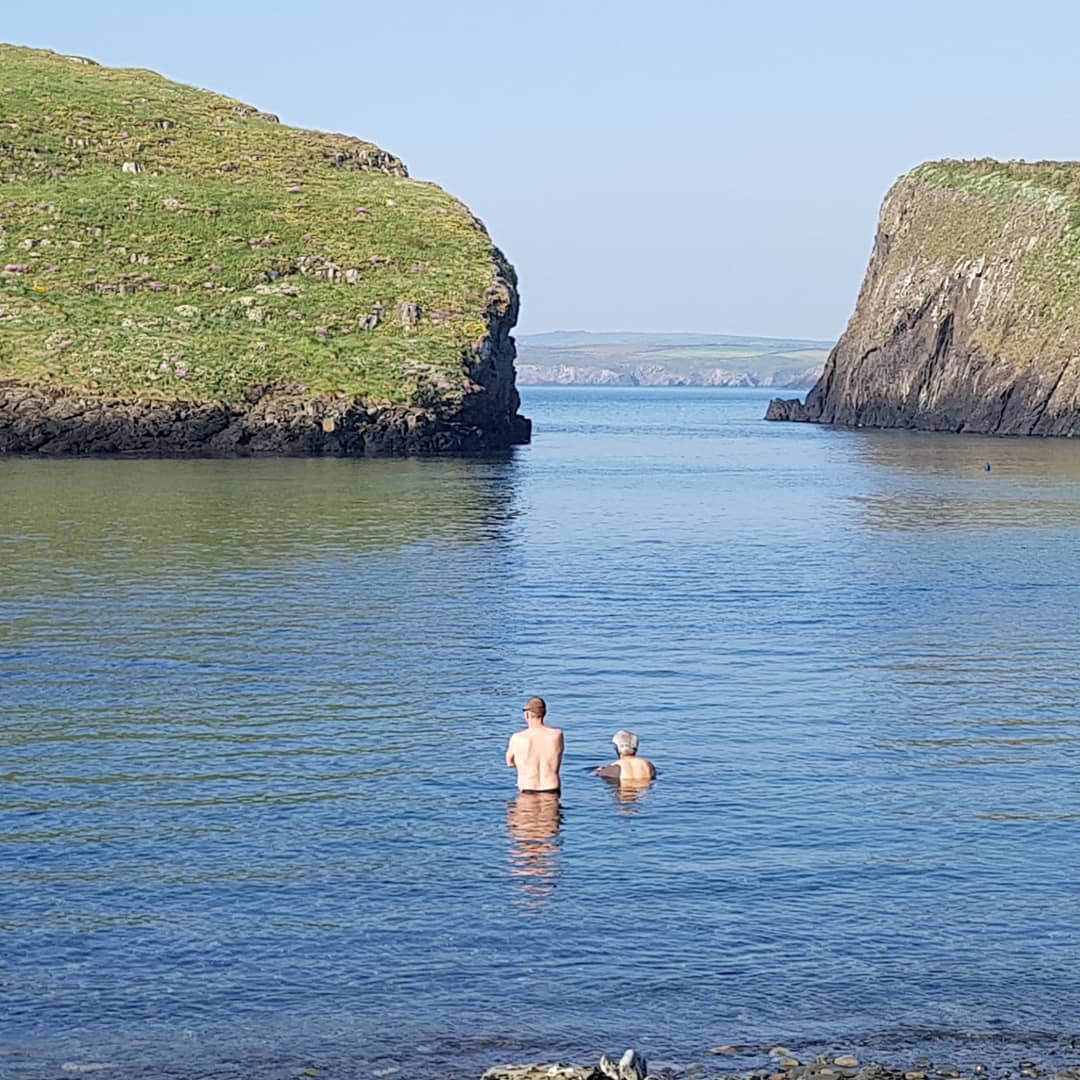
What Do You Really Want?
The answer to questions we often get asked, and a helpful conversation with someone we've helped, about why. We can…
about us
Ian and Cheryl will help you improve your relationship with the water by seeing it as a source of support, not an obstacle to overcome. We’ll work with you in the water, helping you to release unnecessary tension, guiding you through new movements and showing you how to swim without stress by doing less.
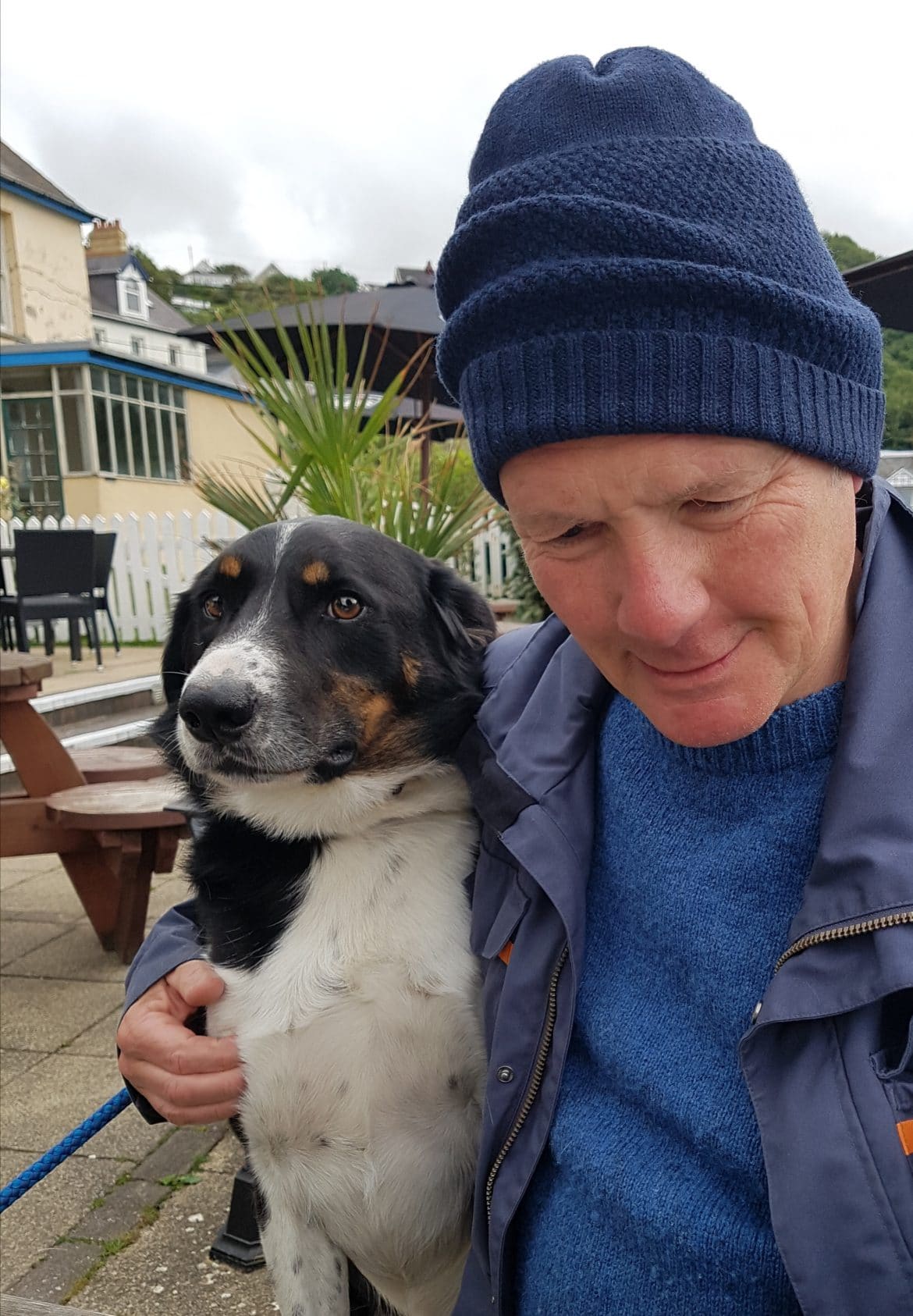
"Ian coaxes and gently encourages, helping the non-swimmer and swimmer to feel more at home in water."
Pete Chapman, The Independent
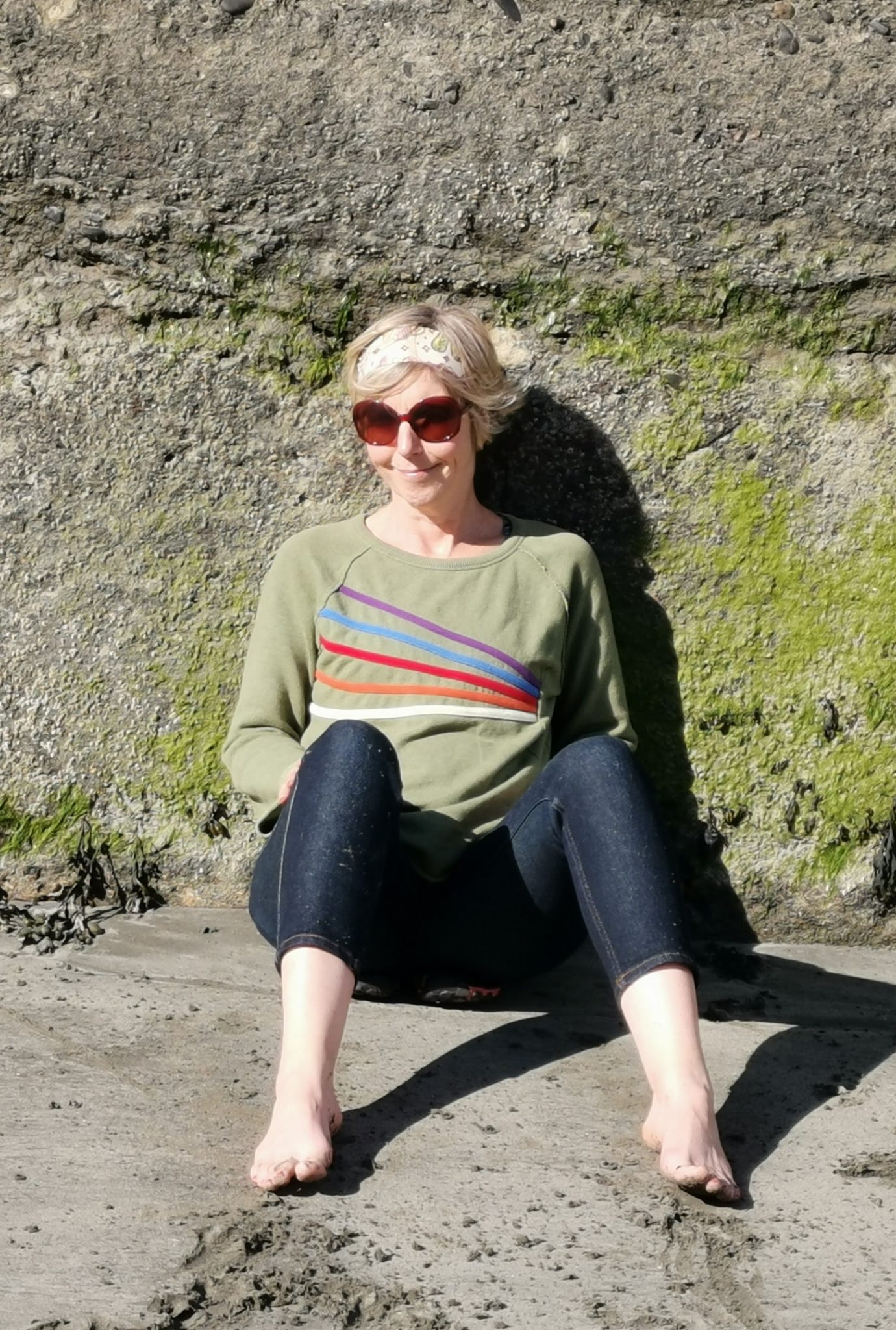
“Since my course with Cheryl, swimming has become part of my life in a way that I never imagined, a real pleasure, a complete conversion."
Ann, North Wales
Case Studies

I’ve just read your latest blog and thought that I’d get in touch. You gave me front crawl lessons in…
Read more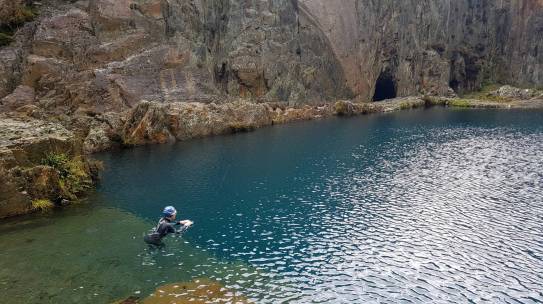
We just had a call from someone who had front crawl lessons with us over ten years ago. She said…
Read more
Swim: to move through water by moving the body or parts of the body. Cambridge dictionary. I'm at the Hotel…
Read more